The AI Revolution: Friend or Foe? Will We Be Replaced By Robots?
The AI Revolution: Friend or Foe? Will We Be Replaced By Robots?
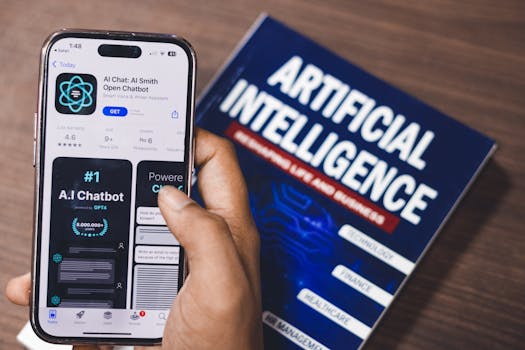
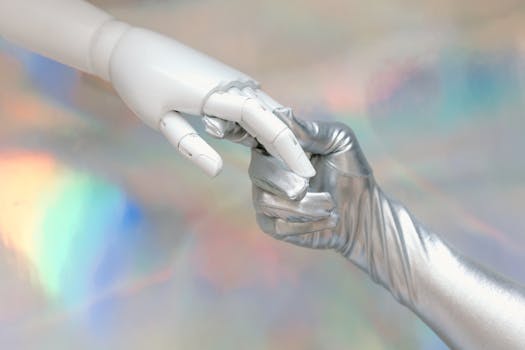
The air is thick with anticipation, a mixture of excitement and trepidation. We're on the precipice of a technological revolution, one driven by the relentless march of Artificial Intelligence (AI). While some hail it as the harbinger of a golden age, others fear it will become our undoing, a self-aware entity that renders us obsolete. This is the crux of the AI debate: friend or foe? Will AI become our partner in progress or our replacement?
The Rise of the Machines: A Look at the Current State of AI
AI is no longer confined to the realm of science fiction. It's already deeply embedded in our lives, from the personalized recommendations on streaming platforms to the facial recognition software used in airports. The technology is evolving at an unprecedented rate, driven by advancements in computing power, data storage, and algorithms.
AI's Potential: A Glimpse into a Future of Possibilities
The potential of AI is truly astounding. It has the power to revolutionize various industries, from healthcare to education, transportation to finance. Imagine a world where:
Medical diagnoses are quicker and more accurate: AI can analyze vast amounts of medical data, identifying patterns and anomalies that might elude human doctors. Education is personalized and tailored to individual needs: AI can create customized learning paths, adapting to each student's pace and strengths. Traffic congestion is a thing of the past: Self-driving cars, powered by AI, navigate roads safely and efficiently, minimizing accidents and delays. Financial markets are more stable and predictable: AI can analyze market trends and predict future outcomes, helping investors make informed decisions.
The Shadows of AI: Concerns and Fears
While the potential benefits of AI are undeniable, the technology also raises significant concerns. Some of the most pressing issues include:
Job displacement: The automation of tasks currently performed by humans could lead to widespread job losses, impacting entire industries. Bias and discrimination: AI algorithms are trained on data sets that often reflect existing societal biases. This can lead to discriminatory outcomes, exacerbating inequalities. Privacy violations: The collection and analysis of personal data by AI systems raises concerns about privacy infringement and the potential for misuse. Ethical dilemmas: As AI systems become more sophisticated, we must grapple with complex ethical questions, such as the responsibility for AI decisions and the potential for AI to develop consciousness.
Navigating the AI Revolution: A Call for Responsible Development
The future of AI is not predetermined. It's up to us to shape the technology in a way that benefits humanity. This requires responsible development and ethical considerations at every stage.
Here are some key steps we can take:
Invest in education and training: We need to equip individuals with the skills needed to thrive in an AI-powered world. Promote ethical guidelines: Establish clear ethical principles for AI development, addressing issues like bias, privacy, and transparency. Foster open dialogue: Encourage open discussions about the societal implications of AI, involving experts, policymakers, and the public. Prioritize human values: Ensure that AI development aligns with human values and promotes social good, rather than prioritizing economic growth alone.
The Future of AI: A Path Forward
The AI revolution is upon us. It presents both immense opportunities and significant challenges. By navigating this new frontier with caution and foresight, we can harness the power of AI to create a brighter future for all. It's a future where technology and humanity work in tandem, a future where AI is a friend, not a foe.



Comments
Post a Comment