The Great AI Debate: Are We on the Brink of a Technological Revolution or a Societal Catastrophe?
The Great AI Debate: Are We on the Brink of a Technological Revolution or a Societal Catastrophe?
The rise of artificial intelligence (AI) is arguably the most transformative technological development of our time. From self-driving cars to personalized medicine, AI is poised to revolutionize countless industries and aspects of our lives. But amidst the hype and promises of a brighter future, a growing chorus of voices is raising concerns about the potential downsides of this powerful technology.
The Promise of AI: A World of Efficiency and Innovation
Proponents of AI paint a picture of a future where automation streamlines tasks, freeing up human potential for more creative and fulfilling pursuits. AI-powered tools promise to revolutionize fields like medicine, with early diagnosis and personalized treatment plans, and transportation, with self-driving vehicles offering increased safety and efficiency. The potential for AI to solve complex problems in areas like climate change and poverty is also immense.
The Fear of AI: A World of Job Losses and Existential Threats

However, critics argue that the widespread adoption of AI comes with significant risks. The most immediate concern is job displacement. As AI systems become increasingly sophisticated, they threaten to automate many tasks currently performed by humans, leading to mass unemployment and societal upheaval. This fear is amplified by the potential for AI to become so intelligent that it surpasses human capabilities, leading to a scenario where humans become obsolete or even controlled by machines.
The Ethical Dilemma: Balancing Progress with Responsibility
The ethical implications of AI development are another major area of concern. Questions abound regarding the fairness and transparency of algorithms used in decision-making, the potential for bias in AI systems, and the impact on human autonomy and privacy. The development and deployment of AI must be guided by ethical frameworks that ensure its use serves the interests of humanity, not the other way around.
Beyond the Hype: A Balanced View of AI's Impact

The truth about AI lies somewhere between the utopian and dystopian visions. While AI holds immense promise, it's crucial to approach its development and implementation with caution and foresight. To harness its potential for good while mitigating its risks, we must engage in a global dialogue that addresses the following key issues:
1. Job Transition and Workforce Development:
Instead of fearing job losses, we must focus on reskilling and upskilling the workforce to adapt to the changing landscape. Governments, educational institutions, and industries need to collaborate on training programs that equip people with the skills needed for the AI-driven economy.
2. Ethical Guidelines and Regulation:

Developing clear ethical frameworks for AI development and deployment is essential. These frameworks should address issues like bias, transparency, and accountability, ensuring that AI systems are used responsibly and for the benefit of all.
3. Responsible Innovation:
We need to promote responsible innovation in AI, focusing on developing technologies that benefit society and address pressing challenges. This requires collaboration between researchers, developers, policymakers, and the public.
4. Human-AI Collaboration:

Rather than viewing AI as a replacement for humans, we should focus on leveraging its capabilities to enhance human capabilities. This approach emphasizes collaboration between AI and humans, allowing each to play their strengths in solving complex problems.
5. Public Awareness and Engagement:
Informed public discourse is vital to ensure that AI development is aligned with societal values and priorities. We need to raise awareness about AI's potential and risks, fostering a culture of critical thinking and ethical awareness.
Conclusion: Navigating the Future with AI
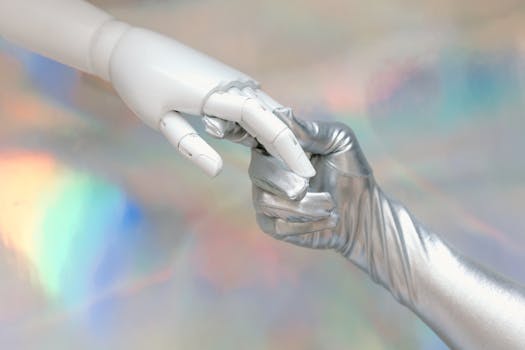
The rise of AI presents both unprecedented opportunities and challenges. By confronting these issues head-on, promoting ethical development and responsible deployment, and fostering collaboration between stakeholders, we can harness the power of AI for the betterment of humanity.
The future of AI is not predetermined. It's up to us to shape its development and ensure that it serves as a force for good. Let's embrace the potential of AI while remaining vigilant about its limitations and risks. Only through a collective effort can we navigate the complexities of this technological revolution and create a future where AI empowers us to build a better world.

Comments
Post a Comment