AI-Generated Art: The Next Big Threat to Artists, or a Creative Revolution?
AI-Generated Art: The Next Big Threat to Artists, or a Creative Revolution?
The art world is abuzz with excitement and trepidation. A new wave of AI-generated art is captivating audiences and pushing the boundaries of creativity. But amidst the wonder and awe, a growing chorus of artists voices their concerns: is this technological marvel a blessing or a curse? Will it lead to a new era of artistic expression, or will it sound the death knell for human creativity?
This article delves into the heart of the debate surrounding AI-generated art, examining its capabilities, its limitations, and its potential impact on the artistic landscape. We'll explore the ethical and economic implications of this rapidly evolving technology, and consider the future of art in an age where machines can mimic and even surpass human artistry.
The Rise of the Machines: How AI is Changing the Art World
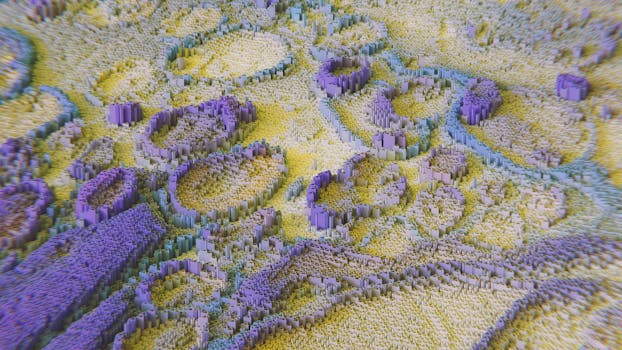
The emergence of AI-powered art generators like DALL-E 2, Midjourney, and Stable Diffusion has ignited a firestorm of discussion. These tools allow users to input text prompts and generate stunning, often surreal images, pushing the limits of digital art creation.
But what exactly makes AI art so groundbreaking?
Unprecedented Versatility: AI art generators can produce a wide range of artistic styles, from photorealistic landscapes to abstract expressionist paintings, all with a simple text prompt. This unparalleled versatility opens doors for experimentation and exploration, allowing artists to venture into new creative territories. Democratization of Art: AI art tools are readily accessible, empowering even non-artists to create visually captivating works. This democratization of art has opened up new pathways for self-expression and exploration, potentially fostering a more inclusive and diverse art community. Rapid Iteration and Exploration: AI algorithms can generate countless variations of a single prompt, enabling artists to iterate and experiment with different artistic concepts at an unprecedented speed. This accelerates the creative process, allowing artists to explore a vast range of possibilities within a shorter timeframe.
The Art of the Algorithm: A Closer Look at AI's Creative Capabilities
While AI art tools demonstrate remarkable abilities, it's important to understand their limitations and the nuances of their creative process.
Learning from Existing Data: AI art generators learn from vast datasets of existing artwork, extracting patterns and styles to generate new images. This process can lead to outputs that are reminiscent of specific artists or art movements, raising questions about originality and intellectual property. Lack of Human Emotion: Despite their impressive technical capabilities, AI art generators lack the emotional depth and subjective experiences that fuel human creativity. While they can mimic styles and techniques, they cannot truly understand or express human emotions, leaving a gap in the heart of artistic expression. Reliance on Prompt Engineering: The quality of AI-generated art is heavily reliant on the user's ability to craft effective text prompts. This requires a level of technical understanding and artistic vision, potentially creating an uneven playing field between users with varying levels of expertise.
The Ethical and Economic Implications of AI Art
The rise of AI-generated art has sparked a heated debate around its ethical and economic implications, raising crucial questions about:
Copyright and Ownership: Who owns the copyright to AI-generated art? Is it the creator of the algorithm, the user who generated the image, or a combination of both? The lack of clear legal frameworks presents a significant challenge for the future of AI art. Value and Authenticity: How do we define the value of AI-generated art, especially when it lacks the traditional markers of human creativity? Should AI art be considered genuine art, or is it merely a technological imitation of human artistic expression? Job Displacement: Will AI art tools lead to widespread job displacement among human artists? The potential for automation raises concerns about the economic future of artists and the creative industries.
The Future of Art: A Symphony of Human and Machine Collaboration
While AI art is undoubtedly a force to be reckoned with, it's crucial to acknowledge its limitations and its potential to complement, not replace, human artistry.
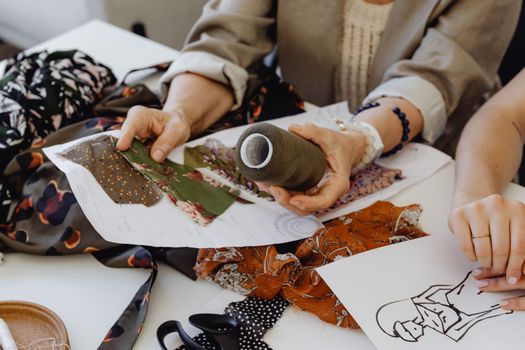
Augmenting Human Creativity: AI art tools can serve as powerful tools for human artists, providing inspiration, accelerating creative exploration, and expanding the possibilities of artistic expression. Blurring the Lines: The future of art may be characterized by a collaboration between humans and machines, where AI tools serve as creative partners, assisting and enhancing the human artistic process. New Artistic Frontiers: The emergence of AI art opens up new creative avenues, encouraging artists to explore the intersection of technology and art, and to push the boundaries of artistic expression in innovative ways.
Conclusion: Embracing the Future of Art
The rise of AI-generated art is a pivotal moment in the evolution of art. It presents both challenges and opportunities, forcing us to redefine our understanding of creativity, authenticity, and the role of technology in artistic expression.
Rather than viewing AI as a threat, we should embrace its potential as a powerful creative force. By harnessing its capabilities and understanding its limitations, we can create a future where human and artificial intelligence collaborate to push the boundaries of art and redefine our understanding of creativity itself.


Comments
Post a Comment