AI Takes the Stage: Are Human Actors Doomed?
AI Takes the Stage: Are Human Actors Doomed?
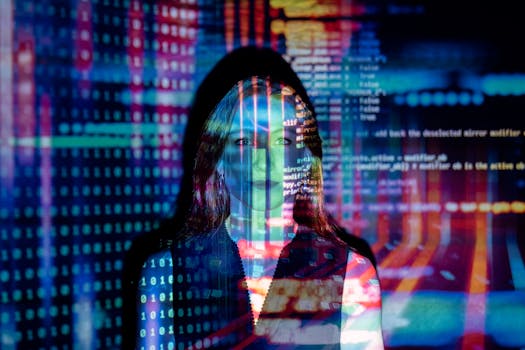
The world is buzzing with excitement (and perhaps a touch of trepidation) as AI continues to blur the lines between reality and fiction. From writing captivating scripts to generating realistic voiceovers, AI is steadily infiltrating the entertainment industry. But is this technological marvel a boon or a bane for human actors?
The Rise of AI in Entertainment: A Revolution Unfolding
The entertainment industry, always at the forefront of innovation, is embracing AI with open arms. Here's a glimpse of how AI is shaking things up:
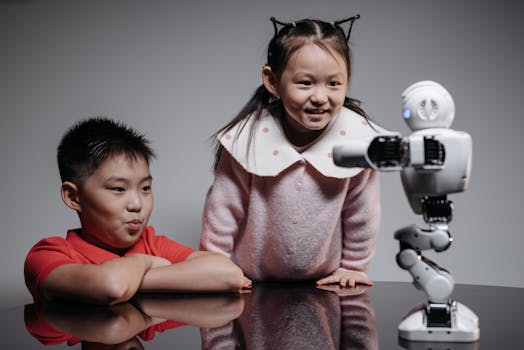
Scriptwriting Made Easy: AI tools like ChatGPT are now capable of generating scripts, plotlines, and even character dialogues, freeing up writers to focus on creative aspects. Virtual Reality Takes Center Stage: AI-powered virtual reality technology is creating immersive experiences, transforming movie sets and offering audiences an unparalleled level of engagement. Lifelike CGI Avatars: Advanced CGI technology powered by AI is blurring the line between reality and fiction, creating lifelike avatars that can portray characters in films and games. Personalized Entertainment: AI algorithms are learning our preferences, tailoring content recommendations and delivering personalized entertainment experiences.
The Argument for AI: A New Era of Efficiency and Innovation
Proponents of AI in entertainment tout its potential for:
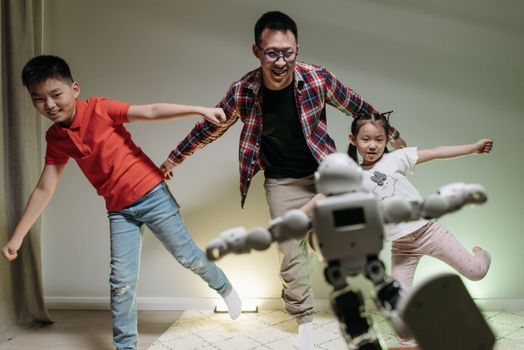
Cost Reduction: AI can automate tasks like script writing, generating virtual sets, and creating digital actors, significantly reducing production costs. Increased Efficiency: AI can streamline the production process, allowing filmmakers to create content faster and more efficiently. Unprecedented Creativity: AI can generate unique and innovative ideas, pushing creative boundaries and exploring new storytelling avenues. Accessibility and Inclusivity: AI-generated content can be made accessible to a wider audience, including those with disabilities, through voiceovers, subtitles, and personalized settings.
The Counter-Argument: A Threat to Human Actors?
While the potential benefits of AI are undeniable, many human actors and industry experts express concerns:
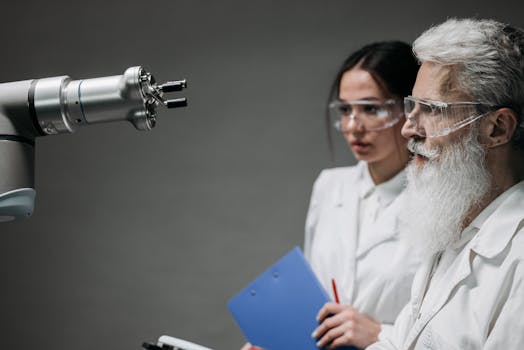
Job Displacement: The widespread adoption of AI-powered tools could lead to job losses for actors, scriptwriters, and other industry professionals. Loss of Authenticity: AI-generated content, while technically impressive, lacks the emotional depth and human touch that audiences connect with. Ethical Concerns: AI technology raises ethical questions regarding ownership, copyright, and the potential for misuse. Homogenization of Content: Relying heavily on AI algorithms for content creation could lead to a homogenization of entertainment, stifling originality and diversity.
The Future of Entertainment: A Collaborative Landscape
Instead of viewing AI as a threat, many experts believe that the future of entertainment lies in a collaborative approach. Here's how AI and human creativity can work together:
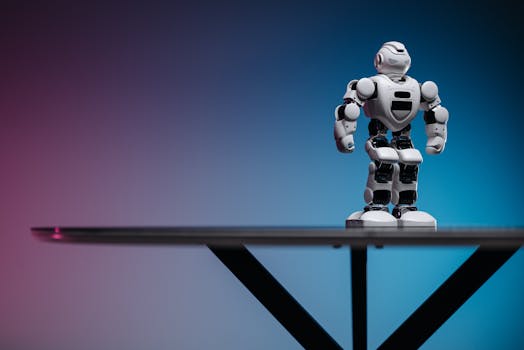
AI as a Creative Tool: AI can serve as a powerful tool to assist human actors, writers, and directors, enhancing their creativity and efficiency. Human-AI Collaboration: By leveraging AI for specific tasks, humans can focus on the aspects of storytelling that require emotional intelligence, critical thinking, and artistic vision. New Opportunities: The emergence of AI opens up new opportunities for actors and filmmakers, creating unique roles and immersive experiences.
Beyond the Hype: A Balanced Perspective
The debate surrounding AI in entertainment is a complex one, requiring a nuanced and balanced perspective. While AI presents significant opportunities for innovation and efficiency, its impact on the industry and the livelihoods of human professionals needs careful consideration.
Key Considerations for the Future:
Ethical Guidelines: Establishing clear ethical guidelines for the development and use of AI in entertainment is crucial to address concerns about job displacement, copyright, and responsible innovation. Upskilling and Reskilling: Investing in programs to upskill and reskill actors and industry professionals to adapt to the changing landscape is essential to ensure their future success. Supporting Artistic Expression: Prioritizing the value of human artistry and creative expression alongside AI-powered tools is essential to maintaining the vibrancy and diversity of entertainment.
The future of entertainment lies in a delicate balance between technological advancement and human creativity. As AI continues to evolve, it's essential to harness its potential while protecting the valuable contributions of human actors and artists. The stage is set for a fascinating and transformative journey, but the script is still being written.


Comments
Post a Comment