AI Takes the Stage: Are We Ready for Robot Actors?
AI Takes the Stage: Are We Ready for Robot Actors?
The recent release of a movie featuring an AI-generated actor has sparked a heated debate about the future of acting. While some applaud the innovative technology, others cry foul, fearing the potential replacement of human talent. This begs the question: are we ready to embrace AI actors, or will they be relegated to the realm of novelty?
The Rise of the Digital Actors
The movie in question, "Beyond the Horizon," features a digital character named "Anya," brought to life using advanced AI technology. Anya is not just a computer-generated image; she can deliver lines, portray emotions, and even interact with her human co-stars. This level of realism has left audiences stunned, and critics are abuzz.
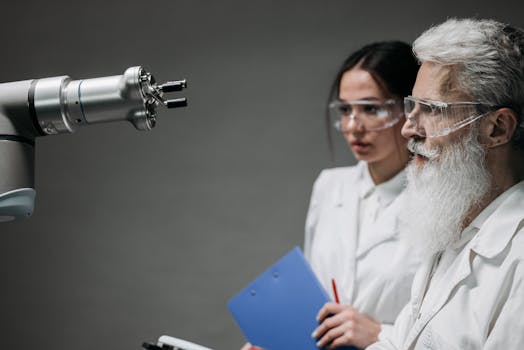
This is not the first time we've seen AI used in film. Digital de-aging technology has been used in blockbuster movies like "The Irishman" and "Captain Marvel." However, "Beyond the Horizon" marks a significant leap forward, showcasing AI's potential to create entirely new characters.
The Pros of AI in Acting
Proponents of AI-generated actors highlight several advantages:
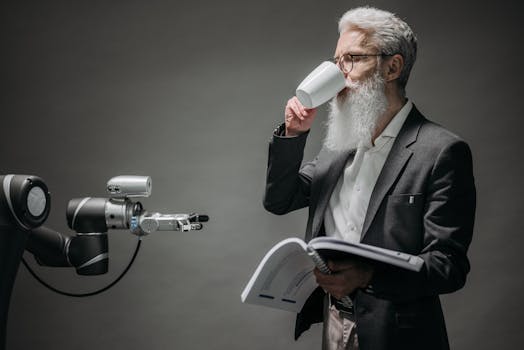
Accessibility: AI actors can be cast regardless of physical limitations, age, or availability. This opens up possibilities for stories that would otherwise be difficult or impossible to tell. Cost-Effectiveness: Creating an AI actor can be significantly cheaper than hiring a human counterpart. This is especially beneficial for independent films and projects with tight budgets. Creative Potential: AI allows for unprecedented creative freedom. Directors can fine-tune their digital actors' performances with incredible precision, achieving a level of control that would be difficult or impossible with human actors.
The Cons of AI in Acting
However, the potential downsides of AI in acting are equally significant:
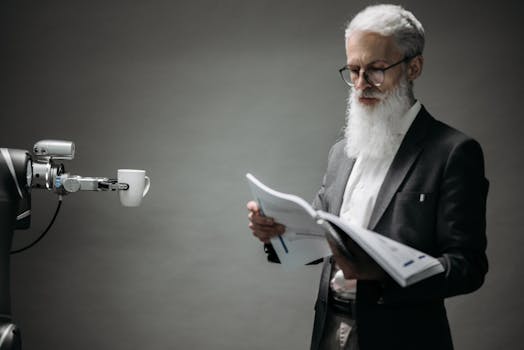
Job Displacement: The most concerning issue is the potential job displacement of human actors. Critics fear that AI could eventually replace human talent entirely, leading to widespread unemployment in the industry. Loss of Authenticity: Some argue that AI actors lack the inherent authenticity and emotional depth of human performers. AI can mimic emotions, but can it truly feel them? Ethical Concerns: The use of AI in acting raises ethical questions about ownership, copyright, and the potential for manipulation. Who owns the rights to an AI-generated performance? What safeguards are in place to prevent the misuse of this technology?
The Future of Acting: Human and AI Collaboration
The debate surrounding AI actors is far from settled. However, one thing is clear: AI is not here to replace human actors entirely. Instead, it offers a new set of tools that can enhance storytelling and create innovative experiences.
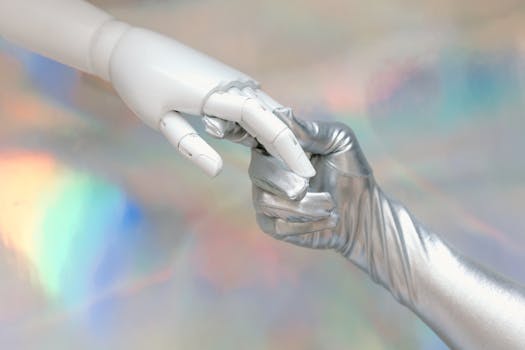
The future of acting likely lies in collaboration between human and AI. AI can be used to augment human performances, create digital doubles, or even serve as a source of inspiration for creative ideas. This collaboration has the potential to push the boundaries of storytelling and create truly immersive experiences for audiences.
The Importance of Open Dialogue
The integration of AI into the acting industry demands open and honest dialogue. We need to address the potential challenges, explore the ethical considerations, and determine how best to leverage this technology for the benefit of everyone involved.
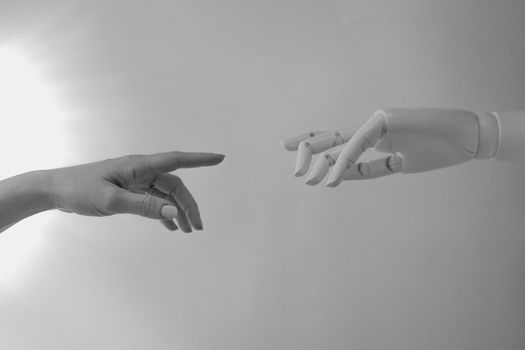
Ultimately, the success of AI in acting depends on how we, as an industry and as a society, choose to embrace it. Will we use it to create a future where storytelling flourishes, or will we let it become a threat to the very soul of human artistry?


Comments
Post a Comment