AI's Rise: The End of Human Creativity, or Just the Beginning?
AI's Rise: The End of Human Creativity, or Just the Beginning?
The recent release of AI-powered tools like ChatGPT and DALL-E 2 has sent shockwaves through the creative industries. These programs, capable of generating human-like text and images, have raised a fundamental question: Is the future of creativity now in the hands of machines?
This isn't just a theoretical debate. The rise of AI has already begun to disrupt fields like writing, art, music, and even coding. While some hail it as the next evolutionary step in human ingenuity, others fear it will ultimately lead to the extinction of authentic human expression. This blog post will delve into the arguments on both sides, explore the potential impact of AI on the future of creative industries, and ultimately ask the question: Can AI truly replace human creativity, or is it simply a new tool in our creative toolbox?
The Case for AI: A Catalyst for Creativity?
Proponents of AI argue that its potential to revolutionize creativity is undeniable. Instead of replacing humans entirely, they see AI as a powerful tool that can augment human creativity, opening up new possibilities and pushing the boundaries of what we can achieve.
Here's a breakdown of the arguments in favor of AI's role in creativity:
Efficiency and Speed: AI tools can generate content at an unprecedented speed and efficiency, freeing up human creators to focus on more strategic and complex aspects of their work. Imagine writing an entire book outline in minutes, or generating dozens of unique logo designs in seconds. New Perspectives and Exploration: AI algorithms can analyze vast amounts of data and generate creative ideas that humans might never have considered. This allows for a broader exploration of possibilities, leading to innovative solutions and fresh perspectives. Accessibility and Democratization: AI tools can empower individuals without formal training or access to expensive software. Anyone with an idea and a computer can now potentially create music, write stories, or design graphics, democratizing creativity and fostering new talent.
The Case Against AI: Is Human Creativity at Risk?
The counterargument to AI's creative prowess focuses on the inherent limitations of machines and the irreplaceable value of human experience. Critics argue that AI, despite its remarkable capabilities, lacks the crucial elements that define true human creativity:
Emotional Depth and Nuance: AI-generated content, while often impressive, often lacks the emotional depth, nuance, and personal experience that make human art truly resonate. It can mimic styles and trends but struggles to capture the unique perspective and emotional intelligence that are hallmarks of human creativity. Ethical and Moral Considerations: The potential misuse of AI for creating fake news, deepfakes, or manipulating public opinion raises serious ethical concerns. While AI itself is not inherently evil, the potential for its misuse by malicious actors underscores the need for careful regulation and responsible development. The Importance of Human Connection: Art and creativity are fundamentally about human connection, sharing experiences, and expressing ourselves through uniquely human narratives. The fear is that relying solely on AI might lead to a loss of human connection and the unique expression that comes from our personal experiences.
The Future of Creativity: Coexistence or Extinction?
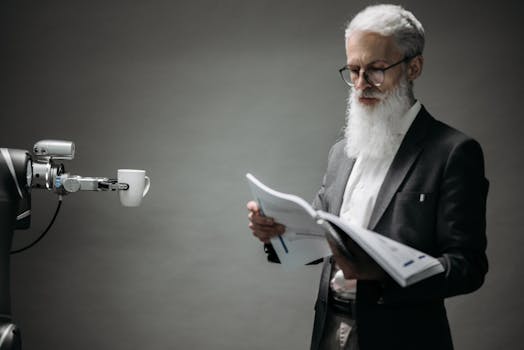
The debate surrounding AI and creativity is far from settled. Instead of seeing AI as a replacement for human creativity, we should consider it as a powerful tool that can augment and enhance our creative potential.
Here are some potential scenarios for the future of creativity in the age of AI:
AI as a Collaborative Partner: Humans and AI can work together, with humans providing the creative vision and AI acting as a powerful tool for brainstorming, prototyping, and refining ideas. AI as a New Art Form: AI-generated art and music could become a new art form in its own right, exploring unique aesthetic possibilities and pushing the boundaries of traditional creative expressions. Human-AI Collaboration: We may see a future where humans and AI collaborate on creative projects, each bringing their unique strengths and limitations to the table.
Navigating the Future: Ethical Considerations and Responsible Development
As AI continues to evolve, it's crucial to consider the ethical implications of its development and use. Open dialogue and responsible development practices are essential to ensure that AI is used for good and not for malicious purposes.
Here are some key considerations for navigating the future of AI and creativity:
Transparency and Accountability: Developing AI systems with transparency and accountability built in is crucial to ensuring that their actions are understandable and can be audited. Protecting Human Rights: Ensuring that AI development and use respect human rights, including intellectual property rights, is paramount. Promoting Inclusivity and Diversity: Working towards AI systems that are inclusive and representative of diverse perspectives is crucial to preventing biases and ensuring that AI benefits all of humanity.
Conclusion: Embracing the Future of Creativity
The rise of AI in the creative industries is an exciting and complex development. While some may fear the potential for job displacement and the loss of authentic human expression, others see AI as a catalyst for innovation and a new frontier for creative exploration.
The future of creativity lies in embracing the potential of AI as a tool, while also remaining grounded in the irreplaceable value of human experience. By embracing responsible development, fostering ethical practices, and encouraging open dialogue, we can ensure that AI becomes a force for good, amplifying human creativity and ushering in a new era of artistic expression.


Comments
Post a Comment