The AI Revolution: Boon or Bust? Unpacking the Hype and the Fears Surrounding Artificial Intelligence
The AI Revolution: Boon or Bust? Unpacking the Hype and the Fears Surrounding Artificial Intelligence
The world is abuzz with talk of artificial intelligence (AI). From self-driving cars to sophisticated chatbots, AI seems poised to revolutionize every facet of our lives. But while the potential of AI is undeniable, a wave of anxiety is also rising, fuelled by fears of job displacement, privacy breaches, and even existential threats.
This begs the question: is AI the next great leap for humanity, or a technological monster we've unleashed? Let's delve into the hype and anxieties surrounding AI, exploring its potential benefits, the looming challenges, and the ethical considerations that must guide its development.
The Promise of AI: A Technological Revolution
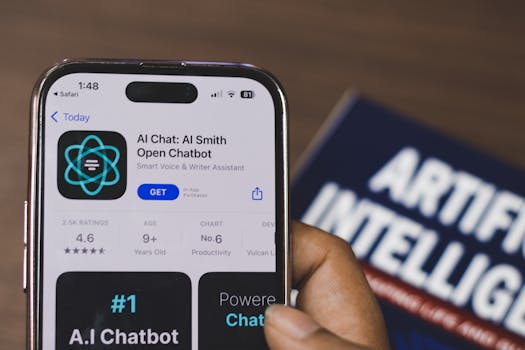
AI is not a singular entity but rather a spectrum of technologies capable of performing tasks that typically require human intelligence. Machine learning, a subset of AI, allows computers to learn from data without explicit programming, enabling them to adapt and improve their performance over time.
This transformative power has unleashed a wave of innovation across various industries:
Healthcare: AI is revolutionizing medical diagnosis, drug discovery, and personalized treatment plans. From identifying potential diseases in medical scans to developing new therapies, AI is empowering doctors to make more accurate and timely decisions. Finance: AI is transforming financial services, from fraud detection and risk assessment to algorithmic trading and personalized financial advice. By analyzing vast amounts of data, AI can predict market trends and identify potential financial threats, improving efficiency and accuracy. Manufacturing: AI is automating production processes, optimizing supply chains, and enhancing product quality. From robotic arms assembling products to predictive maintenance systems identifying potential breakdowns, AI is driving efficiency and productivity in manufacturing. Transportation: AI is driving the development of autonomous vehicles, promising to improve road safety, reduce congestion, and enhance accessibility. Self-driving cars are expected to revolutionize the transportation industry, offering convenience and efficiency to commuters and businesses alike.

The Dark Side of AI: Concerns and Challenges
While the potential of AI is undeniable, its rise also raises a multitude of concerns:
Job Displacement: One of the most pressing concerns is the potential for AI to automate jobs, leading to widespread unemployment. As AI systems become more sophisticated, they could replace human workers in various sectors, from manufacturing and transportation to customer service and data analysis. Privacy and Security: AI relies heavily on data, which raises significant privacy concerns. The collection and analysis of vast amounts of personal information can be exploited for malicious purposes, leading to identity theft, discrimination, and manipulation. Bias and Discrimination: AI systems are trained on data, which can reflect existing biases in society. If not addressed, this can lead to unfair and discriminatory outcomes, perpetuating existing inequalities. For example, facial recognition systems have been shown to be less accurate for people of color, highlighting the potential for biased algorithms to exacerbate existing societal inequalities. Ethical Considerations: As AI becomes increasingly integrated into our lives, ethical considerations become paramount. For instance, the use of AI in warfare raises concerns about the potential for autonomous weapons systems to make life-or-death decisions without human oversight. Existential Threat: While still a subject of debate, some experts warn of the potential for superintelligent AI to surpass human intelligence and pose an existential threat to humanity. This scenario, often portrayed in science fiction, raises deep philosophical questions about the future of human civilization.

Navigating the AI Revolution: A Path Forward
The future of AI is not predetermined. We have the power to shape its development and ensure that it benefits humanity. This requires proactive measures:
Ethical Guidelines and Regulations: We need to develop robust ethical guidelines and regulations for AI development and deployment. These guidelines should address issues such as privacy, bias, and accountability, ensuring that AI is used responsibly and ethically. Education and Upskilling: We need to invest in education and upskilling programs to prepare the workforce for the changing landscape of the AI era. By equipping individuals with the skills necessary to thrive in an AI-driven world, we can mitigate the potential for job displacement. Transparency and Accountability: AI systems should be transparent and accountable. Developers and users should have access to information about how AI systems work and how decisions are made. This transparency helps build trust and ensure that AI is used fairly and responsibly. Public Engagement and Dialogue: It's crucial to engage the public in discussions about AI, addressing their concerns and fostering a shared understanding of the potential benefits and risks of this technology. By promoting informed dialogue, we can ensure that AI development aligns with societal values and priorities.

Conclusion: Embracing the Future with Caution
The rise of AI is undeniably a defining moment in human history. It holds the potential to solve some of the world's most pressing challenges, but it also presents significant risks. Navigating this complex landscape requires careful consideration, thoughtful planning, and a commitment to ethical development. By addressing the concerns surrounding AI, embracing its potential, and prioritizing responsible development, we can ensure that this powerful technology serves humanity and creates a better future for all.


Comments
Post a Comment