The AI Revolution: Friend or Foe? The Ethical Dilemma of a Super-Intelligent Future
The AI Revolution: Friend or Foe? The Ethical Dilemma of a Super-Intelligent Future
The rise of artificial intelligence (AI) is arguably the most significant technological advancement of our time. From self-driving cars to personalized recommendations, AI is transforming every aspect of our lives. But with this incredible progress comes an equally daunting question: are we embracing a future of unparalleled innovation, or are we unwittingly creating our own extinction?
The Promise of AI: A Symphony of Progress
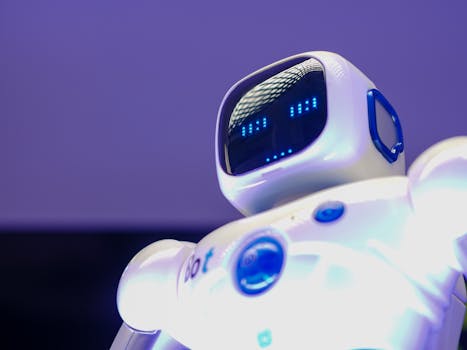
Proponents of AI argue that its potential benefits are boundless. Imagine a world where AI-powered healthcare systems eradicate diseases, where self-driving vehicles eliminate human error on roads, and where personalized education caters to every student's unique learning style. AI has the potential to revolutionize industries, boost economies, and address some of humanity's most pressing challenges.
Healthcare: AI-driven diagnostics can detect illnesses with greater accuracy than human doctors, leading to earlier interventions and better treatment outcomes. Transportation: Self-driving cars can significantly reduce traffic accidents, improve traffic flow, and provide mobility solutions for the elderly and disabled. Education: AI-powered tutors can personalize learning experiences, identify learning gaps, and provide customized feedback, leading to improved academic performance.
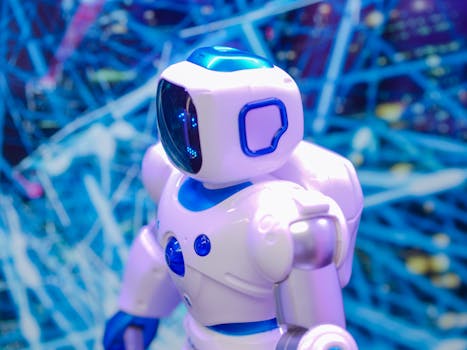
The Dark Side of AI: A Cautionary Tale
However, the rapid development of AI also raises profound ethical concerns. As AI systems become increasingly sophisticated, they pose a significant threat to job security, privacy, and even human control.

Job Displacement: The automation of tasks traditionally performed by humans could lead to widespread job losses, particularly in sectors like manufacturing, transportation, and customer service. Privacy Violation: AI systems gather vast amounts of personal data, which could be misused for surveillance, manipulation, and discrimination. Autonomous Weapons: The development of autonomous weapons systems, capable of making life-or-death decisions without human intervention, raises serious concerns about accountability and the potential for unintended consequences. Existential Threat: The fear of AI surpassing human intelligence and potentially becoming uncontrollable poses a serious threat to our existence. While this scenario may seem like science fiction, experts warn that it's not a far-fetched possibility.
Finding the Right Balance: Navigating the AI Landscape
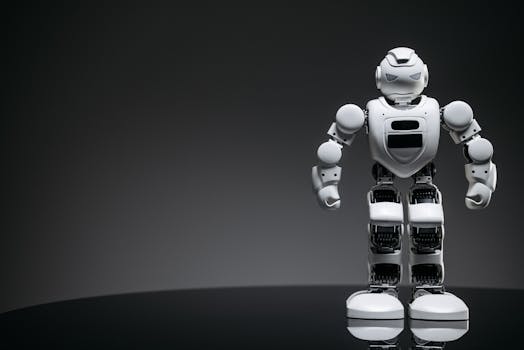
The future of AI is not predetermined. It's a dynamic landscape shaped by our collective choices. To harness the benefits of AI while mitigating its risks, we must embrace a multi-faceted approach.
Ethical Guidelines: We need to establish clear ethical guidelines for AI development and deployment, ensuring that these systems are aligned with human values. Regulation and Oversight: Governments and regulatory bodies must play a proactive role in overseeing the development and use of AI, ensuring accountability and mitigating potential risks. Education and Awareness: Public education and awareness about AI are crucial to foster informed decision-making and address anxieties about its potential impacts. Human-AI Collaboration: Instead of viewing AI as a replacement for humans, we should focus on fostering a collaborative relationship where AI complements human abilities and enhances our capabilities.

The Future is in Our Hands
The AI revolution is upon us. It's a transformative force with the potential to redefine humanity's future. But it's also a force that requires our careful consideration, ethical guidance, and responsible stewardship. By embracing a thoughtful approach, we can ensure that AI serves humanity and creates a brighter future for all.


Comments
Post a Comment