The AI Revolution: Friend or Foe? Unveiling the Dark Side of Artificial Intelligence
The AI Revolution: Friend or Foe? Unveiling the Dark Side of Artificial Intelligence
The relentless march of technology has brought us to the precipice of a new era, one dominated by artificial intelligence (AI). From self-driving cars to personalized recommendations, AI is weaving itself into the fabric of our daily lives, promising a future of unparalleled convenience and efficiency. But beneath the veneer of progress, a growing unease lingers. Is AI truly a force for good, or are we unwittingly ushering in an age of unprecedented technological dystopia?
The Siren Song of Progress
AI's allure is undeniable. Its ability to analyze vast datasets, identify patterns, and make predictions with astonishing accuracy has sparked a technological revolution across industries.

Healthcare: AI is revolutionizing medical diagnosis, treatment planning, and drug discovery. Finance: AI algorithms are optimizing trading strategies and detecting fraudulent transactions. Manufacturing: AI-powered robots are automating tasks, increasing productivity and efficiency. Transportation: Self-driving cars promise safer roads and reduced traffic congestion.
These are just a few examples of how AI is transforming our world. The potential for good is vast, promising solutions to some of humanity's most pressing challenges.
The Shadows of Uncertainty
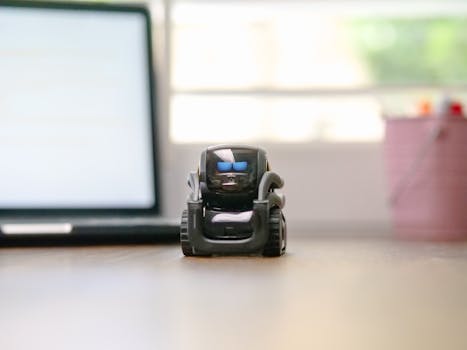
However, the unbridled enthusiasm surrounding AI must be tempered with a dose of realism. Beneath the glittering surface of technological advancement lie unsettling concerns that demand our attention:
Job displacement: The automation powered by AI threatens millions of jobs, potentially widening the gap between the haves and have-nots. Algorithmic bias: AI systems are trained on data that reflects human biases, leading to discriminatory outcomes in areas like hiring, loan approvals, and even criminal justice. Privacy concerns: AI's reliance on vast amounts of personal data raises serious questions about data privacy and security, potentially leading to misuse and exploitation. Autonomous weapons: The development of AI-powered autonomous weapons systems raises the chilling prospect of machines making life-or-death decisions without human oversight. Existential threat: Some experts warn that the development of superintelligent AI could pose an existential threat to humanity, potentially surpassing our control and posing a catastrophic risk.
Navigating the Ethical Labyrinth

These challenges are not mere hypotheticals. They are real and present dangers that require immediate and comprehensive action.
Regulation and oversight: Governments must establish clear regulations and oversight mechanisms to ensure responsible AI development and deployment. Ethical frameworks: Developing ethical frameworks for AI development and use is crucial to ensure fairness, transparency, and accountability. Education and awareness: Promoting public education and awareness about AI's potential benefits and risks is essential for informed decision-making and responsible adoption. Human-centered design: AI systems must be designed with human values and needs at their core, prioritizing human well-being and ensuring equitable access to technology.
The Future is in Our Hands

AI is a powerful tool, capable of both incredible good and unimaginable harm. The path we choose will determine whether AI becomes a force for progress or a catalyst for disaster. The decisions we make today will shape the future of humanity, and the responsibility lies with us to ensure that AI serves our collective best interests.


Comments
Post a Comment