The Great AI Awakening: Are We Ready for a World Run by Machines?
The Great AI Awakening: Are We Ready for a World Run by Machines?
Introduction
The world is abuzz with talk about Artificial Intelligence (AI). From self-driving cars to personalized medicine, AI is rapidly changing the landscape of every industry imaginable. But beneath the surface of innovation and progress lies a simmering question: are we truly prepared for a future where machines play an increasingly dominant role in our lives? This question isn't just a philosophical debate anymore; it's a reality we're grappling with every day.
The Rise of the Machines: A Technological Tsunami

The pace of AI development is breathtaking. We've gone from rudimentary algorithms to powerful language models like ChatGPT and Bard in a matter of years. These models can generate human-like text, translate languages, write different kinds of creative content, and answer your questions in an informative way. The implications of this advancement are vast:
Automation on Steroids: AI is poised to automate countless jobs, from manufacturing and customer service to legal research and financial analysis. This automation will undoubtedly lead to increased efficiency and productivity, but it also raises concerns about mass unemployment and socioeconomic upheaval. Healthcare Revolutionized: AI is transforming healthcare with its ability to analyze medical images, predict diseases, and personalize treatment plans. This potential for improved diagnostics and more effective therapies is a beacon of hope, but it also brings challenges related to data privacy and algorithmic bias. Ethical Quandaries: As AI becomes increasingly sophisticated, we need to grapple with ethical questions surrounding its use. Should machines be allowed to make life-or-death decisions? Who is accountable for the consequences of AI's actions? These questions are not merely academic exercises, but critical considerations as we navigate this uncharted territory.
The AI Hype: Separating Hype from Reality

While the advancements in AI are undeniably impressive, it's crucial to separate the hype from the reality. Some argue that AI is on the verge of achieving "general intelligence" - a level of cognitive ability on par with humans. Others warn of a dystopian future where superintelligent machines enslave humanity.
These sensationalized narratives, often fueled by science fiction, obscure the nuanced realities of AI development. While the potential for AI to achieve general intelligence is exciting, it's important to recognize that we're still far from reaching that point. Similarly, the idea of machines taking over the world is a highly speculative scenario.
The Human Factor: A Call for Responsible AI

Instead of succumbing to fear or unfounded hype, it's imperative to focus on developing AI responsibly. This means:
Transparency and Explainability: We need AI systems that are transparent in their decision-making processes. The "black box" nature of some AI algorithms raises concerns about accountability and trust. Ethical Frameworks: We must establish clear ethical guidelines for AI development and deployment, addressing issues like bias, fairness, and privacy. Human-Centered Design: AI should be designed to augment human capabilities, not replace them. This necessitates a focus on collaborative human-machine interaction and ensuring AI complements, rather than competes with, human expertise. Education and Awareness: Society as a whole needs to be educated about AI, its potential, and its limitations. This will foster informed discussions and help us navigate the challenges of AI responsibly.
The Future is Not Preordained: Shaping AI's Trajectory
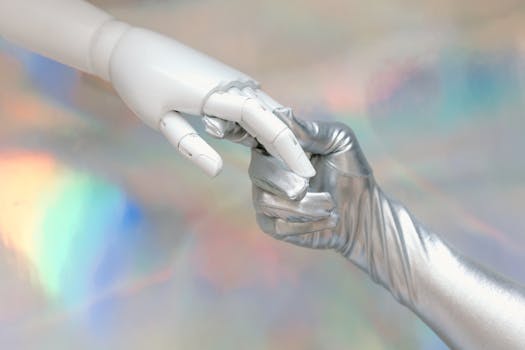
The future of AI is not a preordained destiny. It's a path we're actively shaping with each decision we make. We can choose to harness AI for the betterment of humanity or allow it to become a tool for division and inequality.
The key to navigating this future lies in collaboration, responsible development, and a commitment to ethical principles. We must work together to ensure that AI is used to address our most pressing challenges and create a more equitable and prosperous world for all.
Conclusion
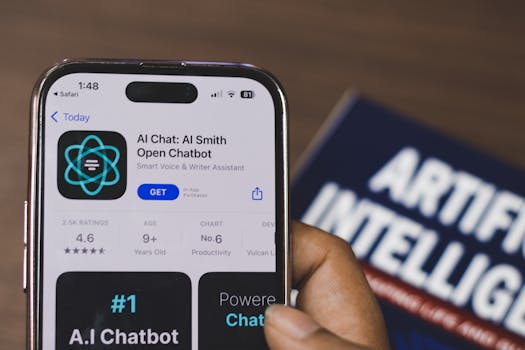
The rise of AI is a defining moment in human history. It presents both unprecedented opportunities and profound challenges. By embracing responsibility, fostering collaboration, and promoting ethical frameworks, we can shape the trajectory of AI and ensure that it serves humanity's best interests.


Comments
Post a Comment