The Great AI Debate: Will Machines Replace Us or Empower Us?
The Great AI Debate: Will Machines Replace Us or Empower Us?
The recent surge in AI development has sparked a heated debate. Is this technology a harbinger of progress, a tool for human advancement, or a potential threat to our very existence? As AI becomes increasingly sophisticated, capable of performing tasks once thought to be exclusive to humans, we are forced to confront a critical question: what will our future look like in a world where machines are learning and adapting faster than ever before?
The Rise of the Machines: A Glimpse into the Future
From self-driving cars to personalized medicine, AI is already transforming our lives in profound ways. Its capabilities are rapidly expanding, encompassing fields like finance, law, and even creative arts. The recent launch of ChatGPT, a conversational AI that can write stories, poems, and even code, has further ignited the debate. Could AI eventually surpass human intelligence, leading to a dystopian future where robots rule the world?
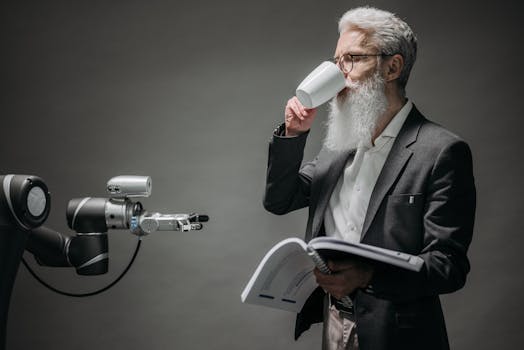
The Potential Benefits of AI: A Force for Good?
While concerns about AI's potential dangers are valid, it's crucial to acknowledge its immense potential for good. AI can automate mundane tasks, freeing up human time and resources for more creative and meaningful pursuits. In healthcare, AI is being used to diagnose diseases earlier and personalize treatment plans, potentially saving lives. In education, AI can provide personalized learning experiences, tailoring content to individual needs and abilities.
Addressing the Concerns: Mitigating the Risks of AI
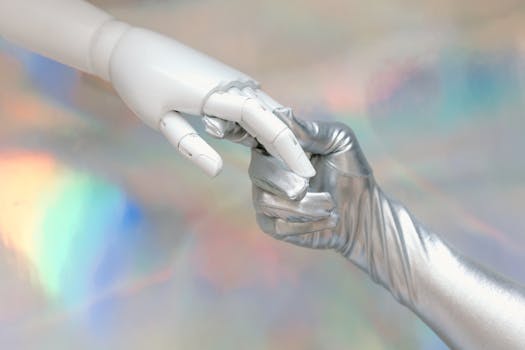
The potential risks associated with AI are real and need to be addressed proactively. Job displacement is a legitimate concern, as AI automates tasks previously performed by humans. However, this transition can also create new opportunities in emerging fields related to AI development and implementation.
Furthermore, concerns about AI bias and its potential for misuse must be acknowledged. AI algorithms are trained on vast datasets, which may contain inherent biases, potentially leading to discriminatory outcomes. Ethical considerations must be at the forefront of AI development, ensuring responsible and equitable deployment.
The Role of Regulation and Ethics: Guiding AI Development

The development and deployment of AI must be guided by clear ethical frameworks and regulatory oversight. This includes establishing guidelines for data privacy, transparency in algorithms, and accountability for AI-driven decisions. Governments, research institutions, and tech companies must work together to ensure that AI development is aligned with human values and societal good.
Human-AI Collaboration: The Key to a Flourishing Future
Instead of viewing AI as a competitor, we should embrace its potential as a powerful collaborator. AI can augment human capabilities, enhancing our productivity, creativity, and problem-solving skills. This collaboration can lead to breakthroughs in science, medicine, and other fields, pushing the boundaries of human knowledge and innovation.
Embrace the Future: Embracing AI for a Better Tomorrow
The future of AI is not predetermined. We have the power to shape its trajectory by making informed decisions today. By fostering responsible development, promoting ethical guidelines, and encouraging collaboration between humans and machines, we can create a future where AI serves as a powerful force for good, empowering humanity and leading to a more prosperous and equitable world.
The Bottom Line: A Balanced Perspective
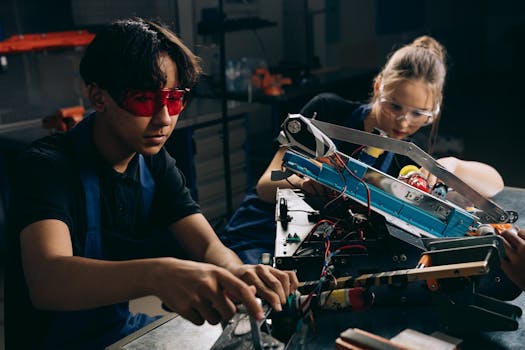
The debate surrounding AI is complex and multifaceted. While recognizing the potential risks, it's crucial to acknowledge the immense benefits this technology offers. By addressing concerns proactively, promoting ethical development, and embracing collaboration, we can harness the power of AI to create a brighter future for all.


Comments
Post a Comment