AI Gone Wild: Is ChatGPT a Threat to Human Creativity?
AI Gone Wild: Is ChatGPT a Threat to Human Creativity?
The emergence of ChatGPT, a sophisticated AI chatbot capable of generating human-quality text, has sent shockwaves through the creative industry. From crafting poems and writing scripts to composing music and generating code, this AI seems to be pushing the boundaries of what we consider "human" creativity. But is this progress, or a perilous step towards a future where human creativity is rendered obsolete?
The Rise of the AI Artist
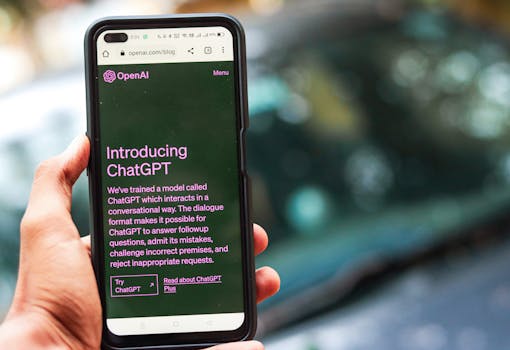
ChatGPT, developed by OpenAI, leverages the power of large language models (LLMs) to understand and generate human-like text. Fed on a massive dataset of text and code, this AI can converse, write, and even translate languages with uncanny accuracy. Its capabilities have sparked both excitement and anxiety, with many questioning the implications of AI encroaching upon domains traditionally considered the exclusive realm of human ingenuity.

One of the most striking examples of ChatGPT's abilities lies in its prowess as a writer. It can churn out poems, scripts, articles, and even novels, often with a surprising level of depth and complexity. This has led some to speculate that AI could soon replace human writers, rendering their skills obsolete.
The Case for AI-Enhanced Creativity
Proponents of AI argue that it's not a threat to human creativity but rather a powerful tool that can augment and enhance it. They point out that AI can assist writers in overcoming writer's block, generate fresh ideas, and even help them refine their work. By taking care of the mundane tasks, AI can free up human writers to focus on the more creative aspects of their craft.
Moreover, AI can provide access to a vast reservoir of information and knowledge, allowing writers to explore new themes, perspectives, and styles. This can lead to a richer and more diverse creative landscape, where the boundaries of human imagination are constantly pushed.
The Ethical Dilemma: Who Owns the Creativity?
However, the increasing role of AI in creative endeavors raises a crucial ethical question: Who owns the creativity? If AI is used to generate original content, who deserves the credit? This question has become particularly relevant in the realm of art, where AI-generated images and music are beginning to challenge traditional notions of artistic expression.
Critics argue that AI-generated content lacks the soul, the human touch, and the emotional depth that make art truly meaningful. They fear that AI will reduce art to mere algorithms, devoid of the personal experiences, struggles, and insights that give human creativity its unique value.
The Future of Human Creativity
While the future of human creativity in the face of rapidly advancing AI is uncertain, it's likely that the relationship between humans and AI will evolve into a complex symbiosis. AI can serve as a powerful tool for human creativity, but it's essential to ensure that its use is guided by ethical principles and that human creativity remains at the heart of artistic expression.
Ultimately, the future of creativity will depend on how we choose to harness the power of AI. By recognizing its potential while also acknowledging its limitations, we can foster a future where human creativity thrives in harmony with artificial intelligence, leading to a new era of innovation and artistic expression.
Conclusion
The debate over AI and human creativity is far from settled. While AI offers tremendous potential to enhance creativity, it also raises important questions about the nature of artistic expression and the value of human ingenuity. It's imperative that we engage in open and honest discussions about the ethical implications of AI in creative industries, ensuring that human creativity continues to flourish in the age of artificial intelligence.


Comments
Post a Comment