AI's Rise: The End of Human Creativity or the Dawn of a New Renaissance?
AI's Rise: The End of Human Creativity or the Dawn of a New Renaissance?
The world is buzzing with news about the rapid advancement of Artificial Intelligence (AI). From crafting stunning artwork to writing captivating stories, AI is proving its versatility and blurring the lines between human and machine capabilities. But what does this mean for the future of human creativity? Is AI poised to steal our artistic soul, or will it be the catalyst for a new era of artistic expression?
The Rise of AI Art: A Disruptive Force?
Recent headlines have been dominated by the emergence of AI art generators like DALL-E 2, Midjourney, and Stable Diffusion. These tools, fueled by massive datasets and advanced algorithms, can transform text prompts into breathtaking images. The results are often stunning, showcasing intricate details, unique compositions, and captivating aesthetics.
This development has sparked both awe and anxiety. Some hail it as a revolutionary tool that empowers anyone to become an artist, while others fear it will devalue the work of human artists. The debate centers around the question of "originality" - can AI, a machine programmed with data, truly create something new?
The Argument Against AI Art:
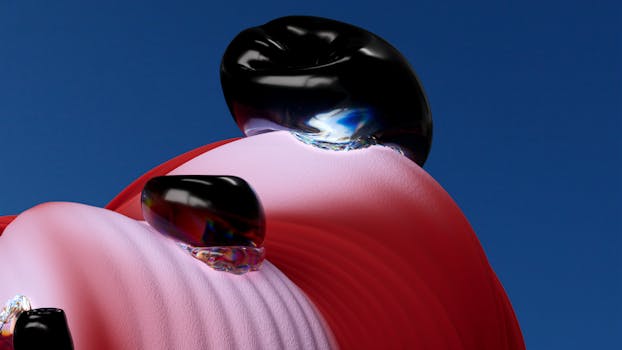
Opponents of AI-generated art argue that it lacks the soul and depth of human creation. They emphasize that true artistic expression stems from human experience, emotion, and the unique perspective of the individual artist. AI, they say, is simply a tool that manipulates existing data, devoid of genuine understanding or emotional depth.
Critics also raise concerns about the ethical implications of AI art. They fear that artists may be forced to compete with machines, leading to unemployment and a devaluation of their craft. Furthermore, they argue that AI art could be used for malicious purposes, like creating deepfakes or generating propaganda.
The Case for AI as a Creative Partner:
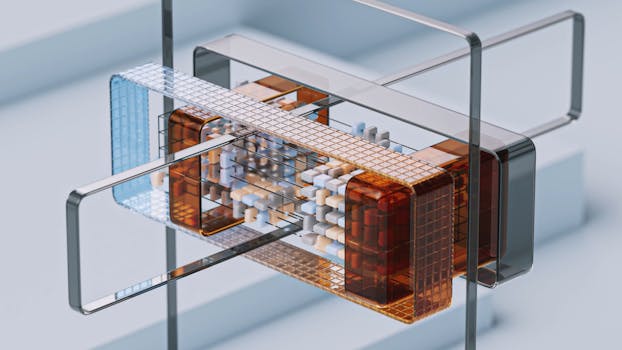
Proponents of AI art argue that it's not a threat, but rather a powerful tool that can enhance and expand human creativity. They point out that AI can free artists from the constraints of technical limitations, allowing them to explore new ideas and push the boundaries of artistic expression.
AI can also be used as a collaborative partner. Artists can utilize AI tools to generate initial concepts, explore different styles, or overcome creative blocks. This collaboration can lead to unique and innovative works that might not have been possible through human creation alone.
Beyond Visual Art: AI's Influence on Other Creative Fields
The impact of AI extends far beyond visual art. It is revolutionizing music composition, writing, filmmaking, and even architecture. AI tools can generate music scores, write scripts, create visual effects, and design buildings.
In music, AI algorithms can analyze existing compositions and generate new melodies, rhythms, and harmonies. This has led to the emergence of "AI composers" who create music that blends human ingenuity with algorithmic innovation.
In writing, AI tools can assist authors with brainstorming, outlining, and even drafting entire chapters. They can analyze existing text and predict what readers might enjoy, helping writers create engaging and commercially successful content.
A New Renaissance: Embracing the AI-Powered Future
The advent of AI in creative fields presents both challenges and opportunities. It's important to remember that AI is a tool, and like any tool, it can be used for good or ill. The key is to embrace the possibilities of AI while safeguarding the values of human creativity.
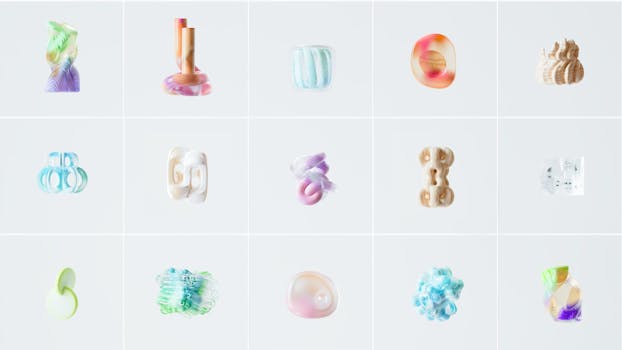
Instead of fearing AI as a threat, we should view it as a collaborator, a partner in pushing the boundaries of artistic expression. By embracing this new era of creativity, we can unlock a world of possibilities, ushering in a new renaissance driven by the synergy of human imagination and technological innovation.
Conclusion:
The rise of AI in creative fields is a complex and multifaceted phenomenon. While some fear its potential to replace human artists, others see it as a powerful tool for collaboration and innovation. Ultimately, the future of creativity will be shaped by how we choose to interact with AI, embracing its potential while safeguarding the values of human expression.


Comments
Post a Comment