The AI Revolution is Here: Are We Ready for a World Run by Machines?
The AI Revolution is Here: Are We Ready for a World Run by Machines?
The world is abuzz with the rapid advancement of artificial intelligence (AI), and the potential implications for society are profound. From self-driving cars to personalized healthcare, AI is poised to reshape our lives in countless ways. But amidst the excitement and promise, a question lingers: are we truly prepared for a future where machines hold increasing influence over our daily lives?
The Dawn of a New Era: How AI is Transforming Our World
AI has transcended its fictional portrayal in movies and books, becoming an integral part of our daily routines. Whether we're searching for information on Google, using voice assistants like Siri or Alexa, or shopping online, AI algorithms are silently working behind the scenes, shaping our experiences and influencing our choices.

The impact of AI is far-reaching:
Industry 4.0: AI is automating tasks, increasing efficiency, and driving innovation across industries, from manufacturing to finance. This can lead to job displacement but also opens up new opportunities in fields like data science and AI development. Healthcare Revolution: AI-powered diagnostics and treatment plans are revolutionizing the healthcare industry, enabling faster and more accurate diagnoses and personalized care. Personalized Experiences: AI algorithms are powering everything from streaming recommendations to personalized shopping experiences, creating a more tailored and engaging online world.
The Shadow Side of AI: Concerns and Challenges

While the potential benefits of AI are undeniable, there are also valid concerns and challenges that need to be addressed:
Job displacement: Automation driven by AI could lead to widespread job losses, particularly in sectors that involve repetitive or routine tasks. This raises questions about social welfare and the need for retraining and reskilling programs. Algorithmic bias: AI algorithms are trained on data, and if that data is biased, the algorithms can perpetuate and amplify existing societal inequalities. For example, AI systems used in hiring or lending could discriminate against certain groups of people. Privacy concerns: AI relies heavily on data, and the collection and use of personal data raise privacy concerns. This is particularly relevant in areas like facial recognition and healthcare, where sensitive information is involved. Ethical dilemmas: As AI becomes more sophisticated, we face ethical dilemmas regarding responsibility, accountability, and the potential for misuse. For instance, who is responsible if an autonomous vehicle causes an accident? How do we ensure that AI systems are developed and used ethically? The black box problem: Some AI models are so complex that even their creators struggle to fully understand how they reach their decisions. This lack of transparency can be problematic, particularly in critical areas like healthcare or criminal justice.
Navigating the Future: A Call for Responsible AI Development
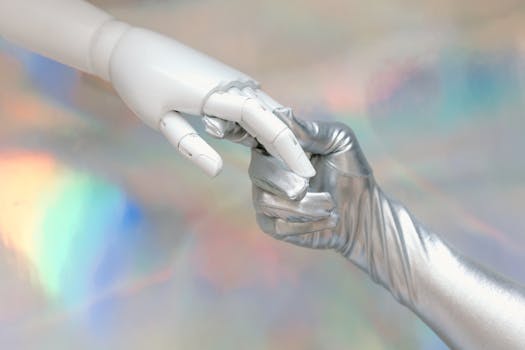
The potential benefits of AI are vast, but we cannot afford to ignore the potential risks. To ensure a positive future for AI, we need to adopt a proactive and responsible approach to its development and deployment.
Here are some key steps we can take:
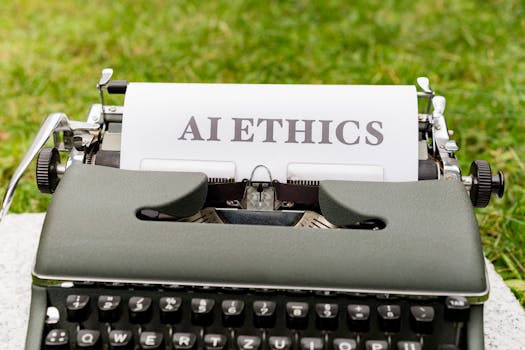
Promote ethical AI development: Establish clear ethical guidelines and regulations for AI development, ensuring that AI systems are developed and used responsibly. Address job displacement: Invest in education and retraining programs to help workers adapt to the changing job market and acquire skills relevant to the AI-driven economy. Combat algorithmic bias: Ensure that training data for AI models is representative and unbiased, and develop techniques for identifying and mitigating bias in AI systems. Strengthen data privacy regulations: Implement robust data privacy regulations to protect personal information and ensure transparency in data collection and usage. Foster collaboration between AI experts and policymakers: Encourage dialogue and collaboration between AI researchers, developers, policymakers, and the public to ensure that AI development aligns with societal values and goals.
The Future is Now: Embracing the AI Revolution
The AI revolution is not a distant future; it's happening now. We are at a pivotal point in history, where we must make conscious decisions about the direction of AI development and its impact on society.
The future of AI is in our hands. By embracing responsible AI development, addressing potential challenges, and fostering a collaborative approach, we can harness the power of AI to create a more equitable, sustainable, and prosperous future for all.


Comments
Post a Comment