Unlocking the Metaverse: Beyond the Hype, What's the Real Potential?
Unlocking the Metaverse: Beyond the Hype, What's the Real Potential?
The metaverse. A term that's been buzzing in tech circles and mainstream media alike. From Mark Zuckerberg's ambitious vision to countless articles predicting its world-dominating future, the metaverse promises a revolutionary shift in how we interact, work, and play. But beyond the flashy demos and speculative pronouncements, what’s the actual potential of this emerging digital world? This article delves beyond the hype to examine the real-world applications, challenges, and long-term implications of the metaverse.
Understanding the Metaverse: More Than Just Gaming
The metaverse isn't just another video game. It's a persistent, shared, 3D virtual world that blends aspects of augmented reality (AR) and virtual reality (VR). Think of it as a persistent online world, accessible through various devices, where users can interact with each other, create, collaborate, and experience things in a way that transcends the limitations of the physical world. This differs significantly from current online experiences like social media platforms or video games, which are generally confined to two-dimensional interfaces.
Real-World Applications: Beyond Gaming and Entertainment
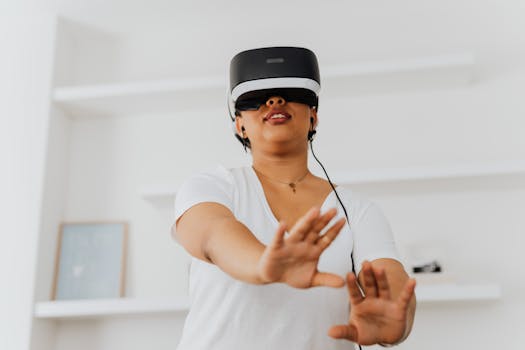
While gaming and entertainment are early drivers of metaverse development, the true potential lies in diverse applications that can transform various industries:
Education: Immersive learning experiences using virtual field trips, interactive simulations, and collaborative projects can enhance student engagement and knowledge retention. Imagine students dissecting a virtual frog in biology class without harming a real one, or exploring ancient Rome without leaving the classroom. Platforms like Engage XR are already pioneering this field.
Healthcare: The metaverse can revolutionize medical training through realistic simulations of surgical procedures and patient interactions. Telemedicine consultations could be dramatically improved by using AR overlays to guide doctors remotely, or VR to allow patients to feel more comfortable during virtual therapy sessions. Companies like Oculus are actively exploring applications in this space.
Retail: Virtual showrooms and immersive shopping experiences allow consumers to "try before they buy" without leaving their homes. Imagine trying on clothes virtually without the hassle of changing rooms, or exploring a furniture store's entire inventory in a 3D environment. Brands are already testing virtual showrooms, providing a more engaging and personalized shopping journey.

Workplace Collaboration: Remote teams can collaborate in virtual offices, fostering a sense of presence and shared workspace that surpasses video conferencing. Virtual meetings can become more interactive and immersive, leading to improved communication and teamwork. Platforms like Spatial are leading the charge in developing these virtual work environments.
The Challenges Ahead: Accessibility and Ethical Concerns
Despite its promising potential, the metaverse faces significant hurdles:
Accessibility: High-quality VR and AR equipment remains expensive, limiting access for many. The digital divide could be exacerbated unless affordable and accessible technology is developed.
Interoperability: Currently, various metaverse platforms operate in silos. Lack of interoperability prevents users from seamlessly moving between different platforms and interacting with assets created on other platforms. Creating a unified, interconnected metaverse is a major challenge.
Security and Privacy: Concerns around data security, user privacy, and potential misuse of personal information are paramount. Robust security measures and ethical guidelines are crucial to prevent abuse and ensure user trust.
Regulation: The lack of clear regulations and standards could hinder the metaverse's development and create a fragmented, unpredictable environment. International cooperation is essential to establish consistent guidelines for safety and responsible use.
The Future of the Metaverse: A Blend of Reality and Virtuality
The metaverse is still in its early stages, but its potential to transform various aspects of our lives is undeniable. The coming years will likely see significant advancements in technology, infrastructure, and user adoption. We can expect a more seamless blend of physical and digital realities, with augmented reality playing an increasingly important role in our daily lives. While challenges remain, the metaverse's potential to revolutionize how we work, learn, play, and interact holds immense promise. The key will be to address the ethical and accessibility concerns proactively while fostering innovation and collaboration to ensure a positive and inclusive future for this emerging digital realm.
Real-world Example: Decentraland
Decentraland showcases the potential of user-generated content within the metaverse. Users can buy virtual land, create and sell digital assets, and participate in a range of social and economic activities. While still in its early stages, Decentraland provides a compelling example of a decentralized metaverse where users have considerable control and ownership over their digital experiences. Its limitations, however, highlight the interoperability and scalability challenges that the wider metaverse must address.
Conclusion

The metaverse represents a significant technological leap with the potential to reshape society. While the path forward is paved with challenges, the benefits to education, healthcare, retail, and workplace collaboration are too significant to ignore. By tackling accessibility, security, and interoperability issues head-on, we can unlock the metaverse’s true potential and shape a future where the boundaries between the physical and digital worlds blur seamlessly.


Comments
Post a Comment